

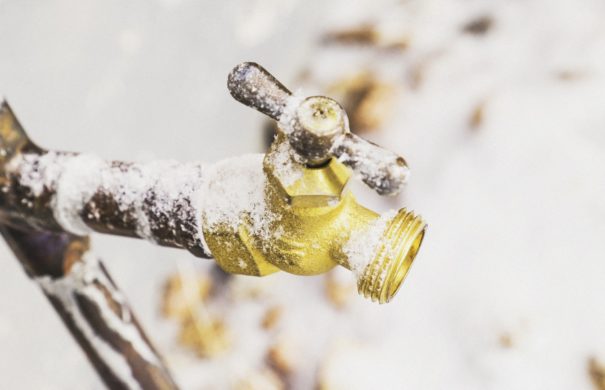
Protect plumbing from freezing by insulating exposed pipes, sealing air leaks, and keeping indoor temperatures above 55°F. Let faucets trickle during hard freezes and open cabinets to circulate warm air. Disconnect garden hoses, cover outdoor spigots, and locate your main shut-off valve to respond quickly during a burst pipe emergency.
This guide explains simple steps that protect indoor, outdoor, and hidden pipes during winter cold fronts. Homeowners reduce freeze risk when overnight temperatures approach 32°F.
How Freezing Temperatures Damage Plumbing in Your Home?
Freezing temperatures cause pipes to freeze, expand, and burst. Ice forms from standing water, increases internal pressure, and breaks weak pipe sections. Frozen pipes leak inside walls, ceilings, and around water heaters. These leaks saturate materials and cause mold. Copper splits, PVC cracks, and PEX fails under pressure. Damage includes flooding and structural decay.
Frozen plumbing creates several problems. Water leaks inside walls saturate insulation and drywall. Burst elbows in ceilings cause visible stains and dripping. Frozen supply lines near water heaters or washing machines release sudden flooding when thawed. Persistent moisture creates mold growth. Structural materials weaken when exposed to repeated wetting and drying cycles.
Copper, PEX, and PVC respond differently to freezing. Copper splits along its length under high pressure. PVC cracks at elbows. PEX has some flexibility but still fails when pressure rises for several hours. Risk increases when temperatures stay below 32°F overnight. Pressure buildup rises as the ice plug expands and traps water. These failures create expensive water damage across floors, cabinets, and subfloors.
Which steps reduce risk of indoor frozen pipes?
Simple actions like running a trickle, keeping heat on, and opening cabinets reduce freeze risk for indoor pipes during a cold night.
- Let vulnerable faucets run at a slow trickle: Exterior wall sinks and fixtures far from the main line freeze first. A pencil thin stream keeps water moving and reduces ice formation.
- Keep the thermostat set to at least 55°F: Maintain this temperature throughout the home at night or when away. Stable indoor warmth prevents pipe temperatures from dropping below freezing.
- Open bathroom and kitchen sink cabinets: Warm air circulates around supply lines under sinks. This reduces cold spots near exterior walls.
- Use a space heater cautiously in rooms with exposed pipes: Maintain clear distance from combustibles. Keep at least 3 feet of space around the heater. Never leave a heater operating unattended.
- Improve airflow in cold rooms: Open interior doors so warm air reaches all areas of the plumbing system.
- Check smart thermostat settings: Use freeze alerts or away mode adjustments to prevent indoor temperature drops during a cold front.
Warm air circulation, active flow, and steady temperature reduce the chance of freeze formation inside copper, PEX, or PVC lines.
Why does letting faucets trickle help prevent frozen pipes?
A trickle keeps water moving. Moving water freezes slower than standing water. Flow prevents pressure buildup that causes pipe bursts.
A small stream maintains circulation inside supply lines. This circulation reduces ice plugs in long plumbing runs. Exterior wall pipes benefit most because these areas cool fastest during a hard freeze.
What temperature should you keep in your home to protect pipes?
Keep the home at 55°F or warmer. Temperatures below this level allow interior wall cavities to cool enough for pipes to freeze.
A stable thermostat prevents rapid drops during the night. Homes with drafty walls or older insulation need warmer settings because cold spots develop behind cabinets and near exterior plumbing lines.
How do you protect pipes in unheated spaces like attics, garages, and crawl spaces?
Pipes in unheated attics, garages, and crawl spaces face the highest freeze risk because these areas drop below 32°F faster than the rest of the home. These pipes need insulation, blocked drafts, and controlled airflow to retain heat during cold fronts.
Insulate exposed lines in attics with foam sleeves or pipe wrap. Heat cables provide added protection for long runs near exterior walls or roof vents. Place insulation around bends, tees, and valves because these spots freeze first. Maintain consistent coverage along the pipe and avoid leaving gaps where cold air can enter.
Crawl spaces need physical barriers to block cold airflow. Rigid foam board on exterior walls shields plumbing from wind and temperature swings. Close crawl space vents during a hard freeze, then reopen after temperatures warm again to avoid moisture buildup. Apply insulation to pipes running along joists or rim beams because these surfaces transmit cold quickly.
Garage plumbing requires temperature control and draft protection. Keep the garage door closed to prevent cold air from radiating across exposed pipes. Add insulation sleeves to lines along the ceiling or near the water heater. Use a garage heater safely during severe cold while maintaining clear distances from storage and flammable materials.
Together these steps insulate vulnerable pipes, shield them from wind, and retain warmth inside unheated spaces.
Which pipes in your home should be insulated first?
Insulate pipes located in attics, crawl spaces, and garages first. These lines experience the largest temperature drops during a freeze.
Pipes on exterior walls or near ventilation openings freeze fastest. Focus on long horizontal runs, elbows, and valves because these components lose heat quickly.
How does keeping your garage door closed protect your plumbing?
Closing the garage door traps warmer indoor air and blocks freezing outdoor air from circulating around exposed pipes.
Garage temperatures remain several degrees higher when sealed, which slows heat loss in pipes running along ceilings, water heaters, or utility walls.
Why should you disconnect garden hoses and protect outdoor faucets before a freeze?
Leaving hoses connected traps water inside outdoor faucets and short pipe runs. This trapped water freezes quickly during a cold snap and can burst interior piping behind the wall.
Detach all hoses from hose bibs. Drain each hose and store it in a dry area. Install insulated faucet covers or foam caps on exposed spigots to reduce heat loss. These covers shield the metal faucet from cold air and help prevent ice formation inside the valve.
Older homes often benefit from frost free hose bib upgrades. These faucets move the shutoff point farther inside the wall where temperatures remain warmer. Upgrading reduces freeze related failures in frequently used outdoor spigots.
Protecting outdoor faucets prevents freeze expansion from backing up into the home’s plumbing system and reduces the risk of costly repairs during winter weather.
How does sealing cold air leaks protect plumbing?
Sealing gaps that let freezing air enter reduces cold spots around pipes, especially near windows, doors, and sill plates. Cold drafts lower the temperature inside wall cavities and expose plumbing to sub freezing air during a winter front.
Check common leak points such as window frames, door thresholds, attic access panels, and the sill plate along the foundation. These areas develop gaps that allow outside air to flow directly toward pipes routed through exterior walls. Use caulk around window trim, apply weatherstripping to doors, and seal penetrations with foam insulation to block airflow. Insulate the attic hatch to prevent cold air from dropping into nearby wall cavities.
Pipes beneath windows or behind drafty doors benefit immediately from reduced air leakage. Eliminating drafts raises local temperatures around copper, PEX, or PVC lines and lowers freeze risk during overnight lows. These sealing steps also improve energy efficiency because conditioned indoor air stays inside the home. A tighter building envelope preserves heat, insulates plumbing, and reduces the likelihood of ice formation.
When is it safe to use a space heater to protect vulnerable pipes?
A space heater can protect pipes in a cold room if used on a stable surface, away from combustibles, and never left unattended. Safe operation prevents fire hazards while warming plumbing located on exterior walls.
Use a heater only in dry areas where you can watch it. Maintain several feet of clearance around the heater so nothing touches the unit. Plug the heater directly into an outlet because extension cords increase fire risk. Turn the heater off before sleeping or leaving the home to avoid overheating or accidental contact with surrounding materials.
Space heaters help when central heat cannot warm a cold bathroom, laundry room, or garage where pipes run near exterior surfaces. Direct warmth raises the local temperature around vulnerable lines and prevents freezing during a hard freeze. Supervised use protects plumbing without increasing fire risk.
How do you find and use your main water shut off valve in a plumbing emergency?
Your main water shut off valve stops water flow and limits damage if a pipe bursts. Knowing its location and how to close it quickly prevents flooding during a plumbing emergency.
Look for the valve where the main water line enters the home. In many houses it sits along an exterior wall in the basement or near the front foundation. Homes without basements may have the valve in a crawl space, utility room, or garage. Some homes place the shut off in an outdoor meter box or curb stop near the property line.
Two valve types are common. A ball valve has a lever handle. When the lever is parallel to the pipe, the valve is open. When the lever is perpendicular to the pipe, the valve is closed. A gate valve uses a round wheel. Turning the wheel clockwise closes the valve, while counter clockwise opens it.
Locate the valve before you face an emergency. Practice turning it gently once to ensure it moves freely. During a burst pipe event, close the valve immediately, move people away from flooded areas, and call a plumber. Quick action stops water, limits damage, and prevents further flooding.
How can you winterize your plumbing before the next cold front?
Winterizing your plumbing means preparing vulnerable pipes, sealing drafts, and testing shut off valves before freezing temperatures arrive. A simple checklist reduces freeze risk across the home.
Insulate exposed pipes in attics, crawl spaces, and garages to retain heat. Disconnect hoses and cover outdoor faucets to stop trapped water from freezing. Seal major air leaks around windows, doors, and wall penetrations to block cold drafts. Verify thermostat settings and review smart thermostat schedules so temperatures never drop below safe levels during a cold night.
Locate and test the main shut off valve so you can respond quickly during an emergency. Schedule a professional inspection if you have a history of frozen or burst pipes because recurring cold spots often require targeted repairs or insulation upgrades.
These steps prepare the plumbing system ahead of the first freeze and prevent costly winter damage.
How does Anchor Plumbing Services help homeowners to protect their plumbing in winter?
Anchor Plumbing Services helps San Antonio, Helotes, New Braunfels, Stone Oak, and West or Northwest San Antonio homeowners protect their plumbing when winter temperatures drop. The team inspects exposed pipes, reinforces vulnerable areas, and recommends insulation for attics, garages, and crawl spaces. Technicians upgrade hose bibs, apply outdoor faucet protection, and locate or label the main shut off valve so homeowners can act quickly during emergencies.
Licensed plumbers repair leaks, handle full burst pipe repair, and resolve water heater issues that commonly occur after hard freezes. The company provides year-round water heater, drain, and leak detection services to prevent recurring winter damage. Every visit includes Master Plumber oversight, flat-rate pricing, and service from a licensed, insured, and background-checked technician. With thousands of satisfied customers and a 4.9-star rating, Anchor Plumbing Services is a trusted leader in cold-weather plumbing protection.