News & Media

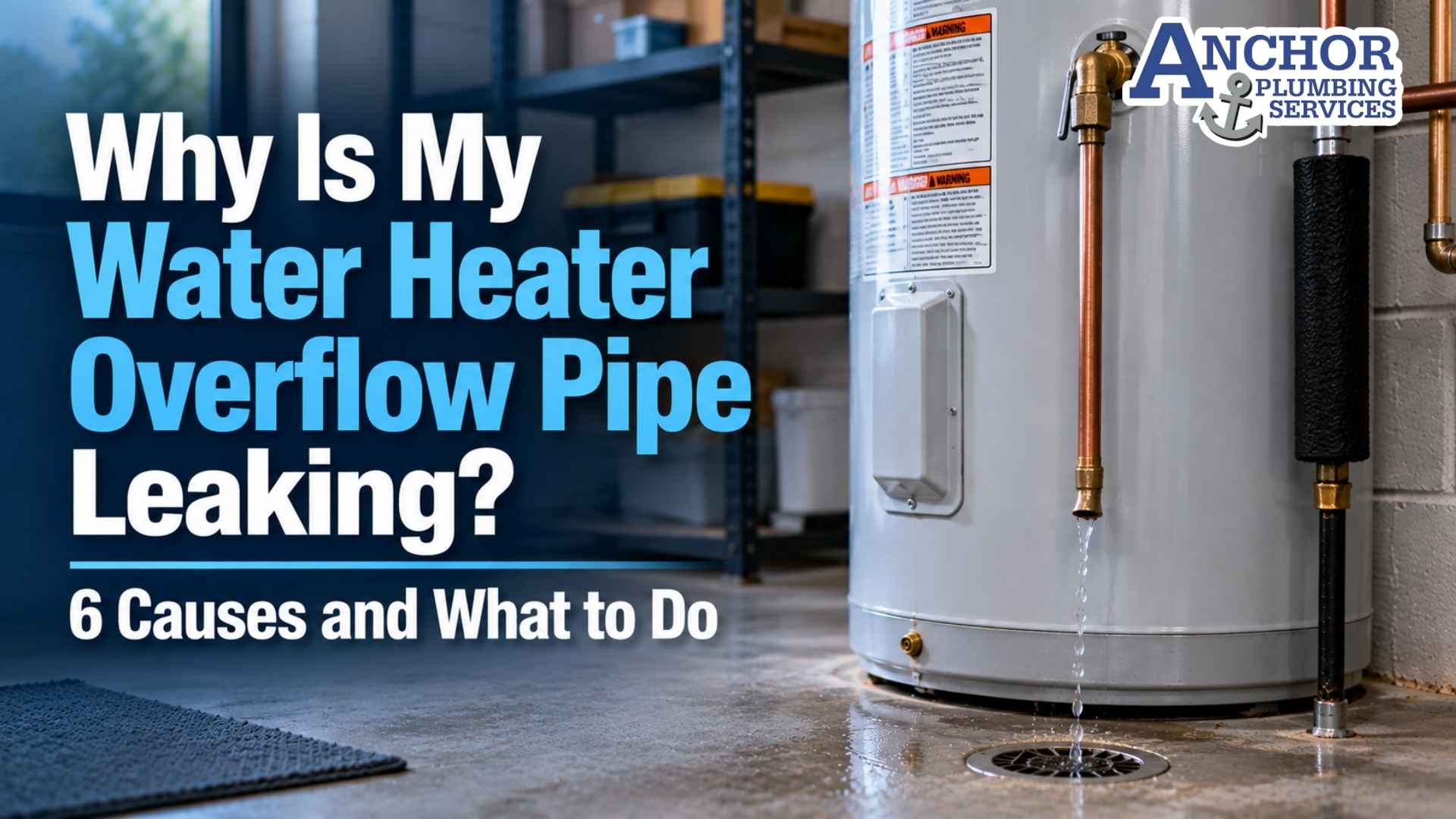
Water dripping from water heater pressure relief discharge pipe

Why Is My Water Heater Overflow Pipe Leaking? 6 Causes and What to Do

Water dripping from a water heater overflow pipe means the temperature and pressure relief valve has opened. The valve is doing its job. It releases water when tank pressure exceeds 150 PSI or tank temperature exceeds 210 degrees Fahrenheit, which prevents the tank from rupturing. The question is why the

Water Heater Pilot Light Won't Stay Lit

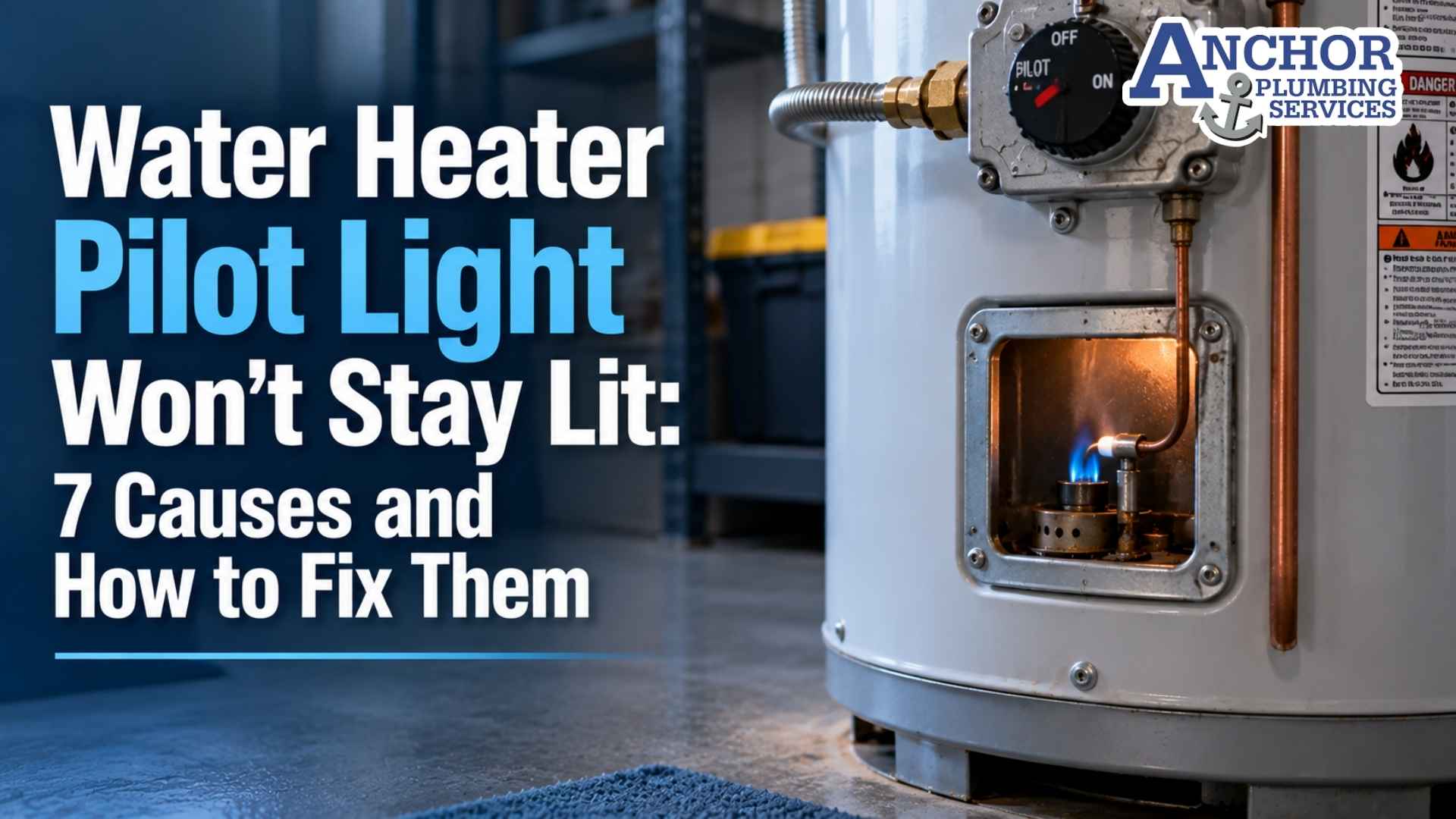
Water Heater Pilot Light Won’t Stay Lit: 7 Causes and How to Fix Them

A water heater pilot light that goes out the moment you release the control knob almost always points to a failed thermocouple. The thermocouple is a thin copper rod that sits in the pilot flame and generates a small electrical current telling the gas valve the flame is present. When

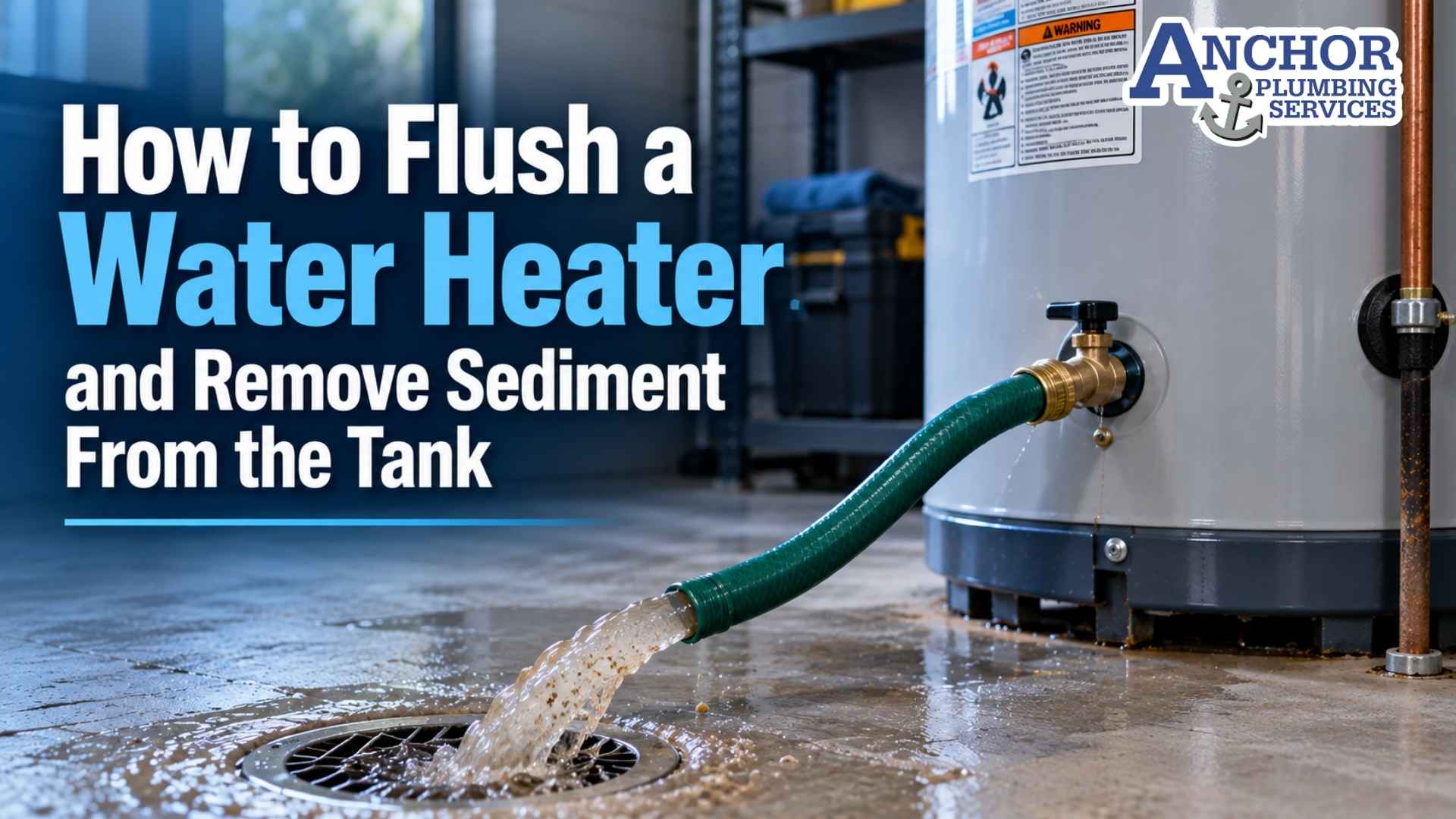
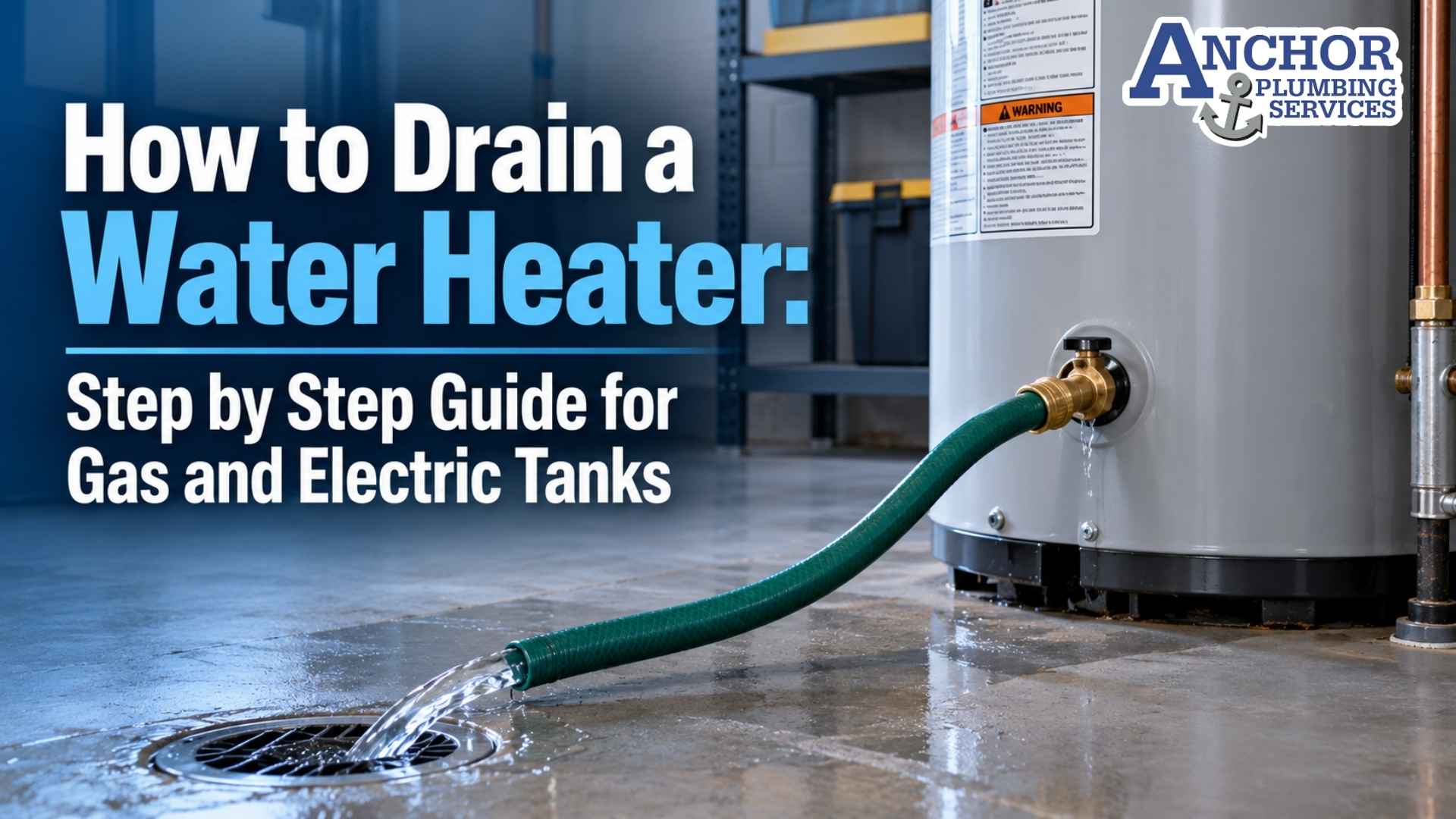
Residential water heater being drained through a garden hose

How to Drain a Water Heater: Step by Step Guide for Gas and Electric Tanks

Draining a water heater empties the tank so you can clear sediment, replace a failed drain valve, move the unit, or prepare it for replacement. The job takes 20 to 60 minutes of drain time depending on tank size and requires a garden hose, a flathead screwdriver, and a bucket.

Modern toilet with slow-draining water in the bowl

Why Your Toilet Drains Slowly: 6 Causes and How to Fix Each One in 2026

A slow draining toilet is caused by a partial blockage or flow restriction in the drain system. The 6 most common causes are a partial clog in the trapway, mineral-blocked rim jets, low water level in the tank, a blocked plumbing vent, a sewer line obstruction, and a worn or

7 warning signs that indicate a home needs repiping

Signs Your Home Needs Repiping: 7 Indicators of a Failing Pipe System and What Repiping Costs in 2026

Key signs your home needs repiping include frequent pipe leaks, discolored or rusty water from multiple faucets, low water pressure across all fixtures, and plumbing that is 40 to 50 years old, particularly galvanized steel or polybutylene. Other indicators include inconsistent water temperatures, visible corrosion on exposed pipes, and recurring